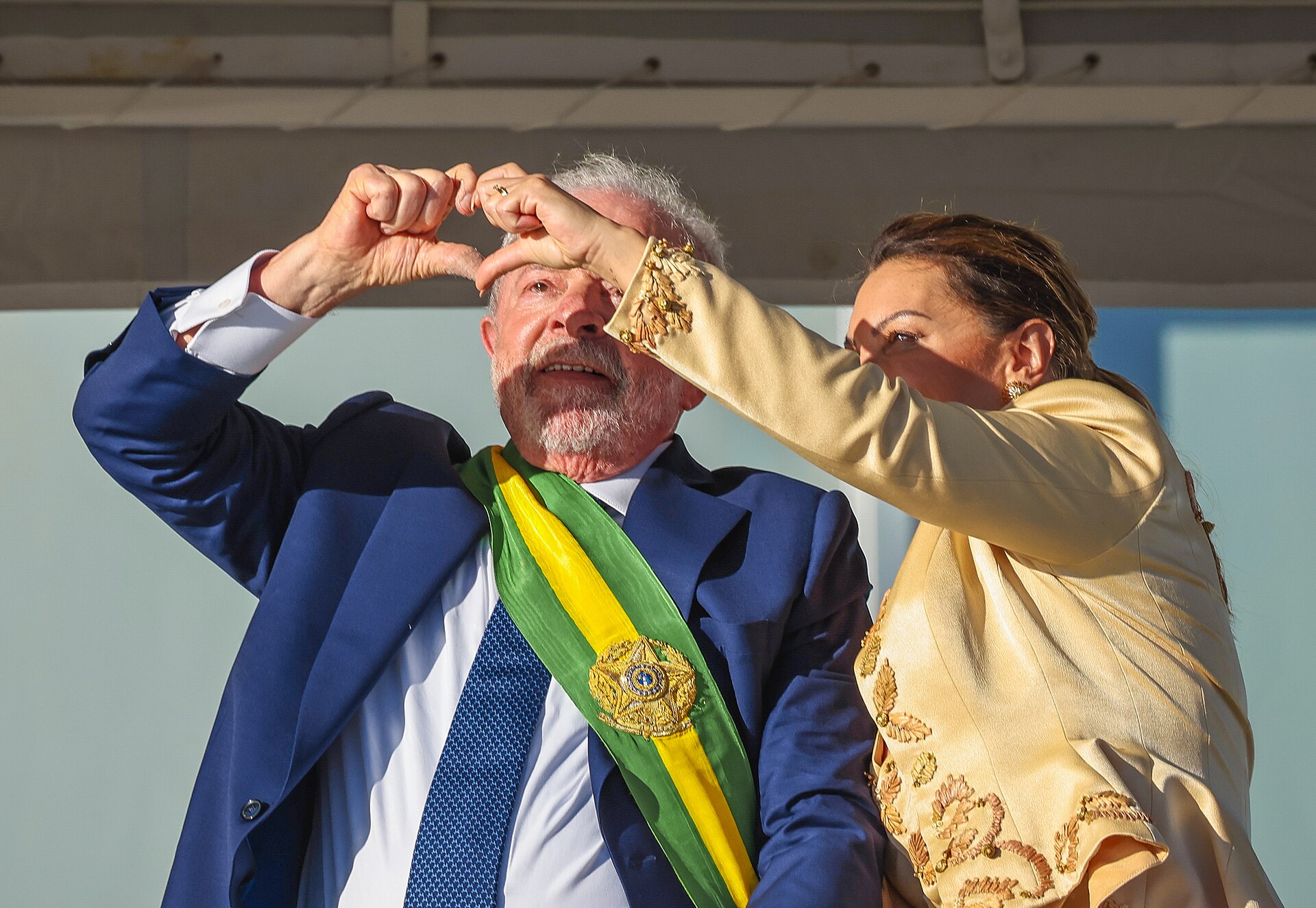
Luiz Inácio Lula da Silva secured re-election in Brazil’s presidential runoff on 25 October. The Superior Electoral Court (TSE) reported 64,256,232 votes for Lula, or 51.79% of valid votes. His challenger, Flávio Bolsonaro (PL), received 59,826,041 votes (48.21%). Lula’s margin was 4,430,191 votes. [1]
The result reversed the order of the first round on 4 October. Flávio Bolsonaro had then received 47.03%, ahead of Lula on 45.16%. Since neither candidate secured an absolute majority, the election went to a runoff. [2] Lula has therefore won a fourth, non-consecutive presidential term. [1][4]
Turnout and abstention
According to the TSE, more than 158 million people were eligible to vote in the runoff. About 128.2 million cast ballots; abstention was approximately 19.2%, down from 21.08% in the first round. [1]
Dispute over extended voting hours
Election day ended amid controversy over the vote. Following an interim order from the Federal Supreme Court (STF), polling stations still open at 5 p.m. Brasília time were allowed to remain open until 7 p.m. The TSE said the late extension complicated vote-counting procedures; thousands of electronic voting machines that had already closed could not be reopened. [1]
The Associated Press reported that Flávio Bolsonaro initially refused to concede and called for the result to be annulled. He criticized the extension of voting beyond the scheduled closing time. AP also reported that both presidential candidates had requested an extension of voting hours. The TSE declared Lula the winner of the runoff. [1][3]
A new term and political negotiations
The outcome reverses the first-round order: Flávio Bolsonaro initially led, but Lula recovered in the runoff and won. The implementation of the re-elected president’s agenda will also depend on congressional majorities and negotiations with other parties. [1][2]